Watersmart Insights
Filter
Tag
- Aquacomb 21
- Education 8
- Events 3
- FenceTank 12
- FloodFree 26
- Floody 19
- Flowgen 1
- Hydraloop 12
- Hydraloop NZ 1
- Leaf Diverter 1
- Porous Lane 22
- RainStick 1
- SMAF requirements 1
- SlimCity 5
- WaterSAFE 2
- case study 11
- greywater recycling NZ 1
- greywater recycling developments NZ 1
- off grid living NZ water 1
- off grid water NZ 1
- off grid water systems NZ 1
- permeable driveway consent 1
- permeable pavement NZ 1
- permeable paving NZ 1
- porous paving driveway 1
- rainwater self sufficiency NZ 1
- reduce mains water reliance 1
- reduce mains water use NZ 1
- stormwater runoff NZ 1
- sustainable development water NZ 1
- water independence NZ 1
- water reuse commercial NZ 1
Off-Grid Water in NZ: What It Takes to Rely Less on the Mains
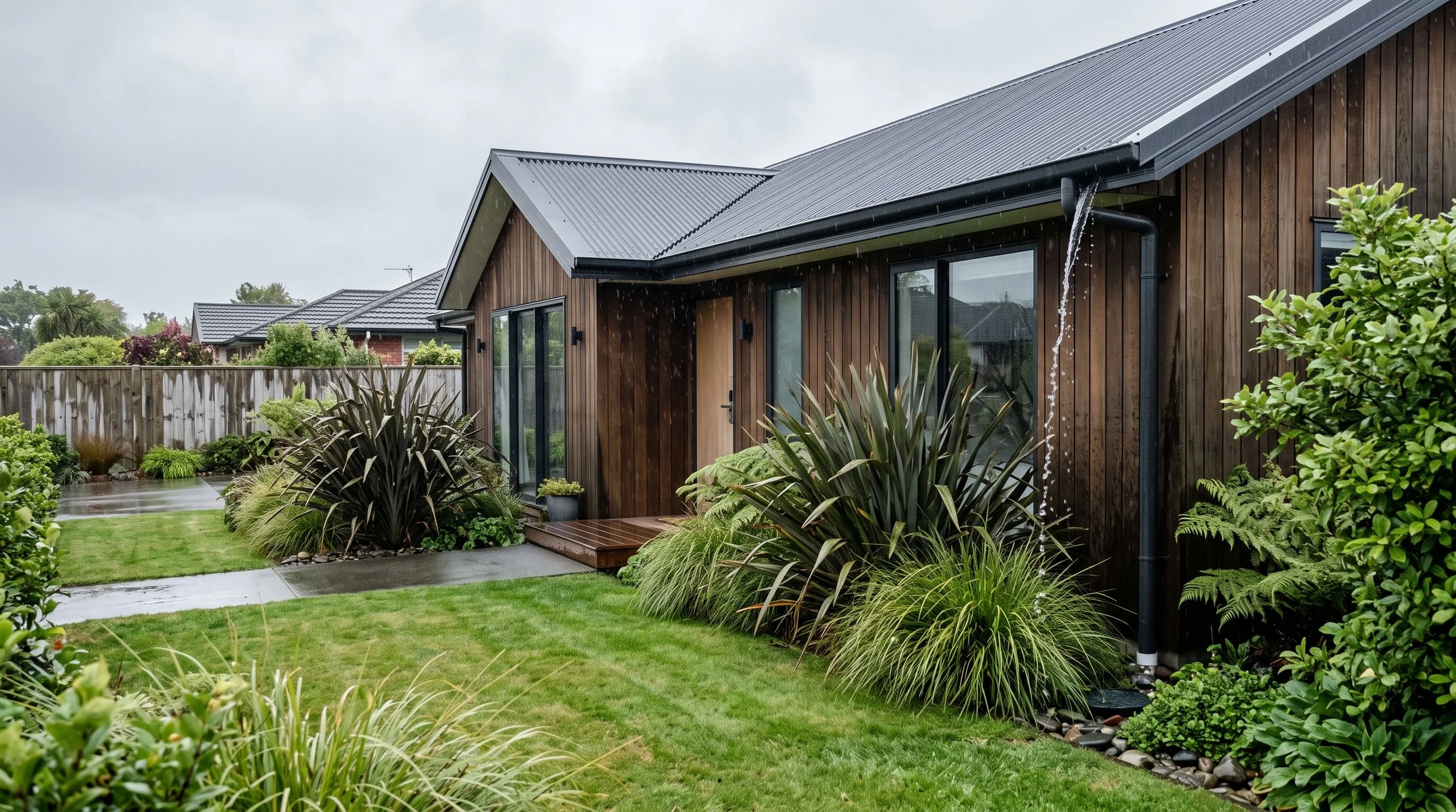
Off-grid water in NZ, explained: how capture, storage, reuse, and pumps work together to cut mains reliance, from lifestyle blocks to suburban homes.

Greywater Recycling for NZ Developments: Designing In Hydraloop
Water is one of the running costs a development carries for its whole life, and most of it is used once and sent down the drain. Greywater recycling changes that. It captures the water from showers, baths, and laundry, cleans it on-site, and puts it back to work for toilets, laundry, and irrigation. For a New Zealand development, designing it at the build stage can recycle up to 45% of a building's water, lowering running costs and strengthening the project's sustainability position.
FenceTank Case Study: Forrest Hill, Auckland
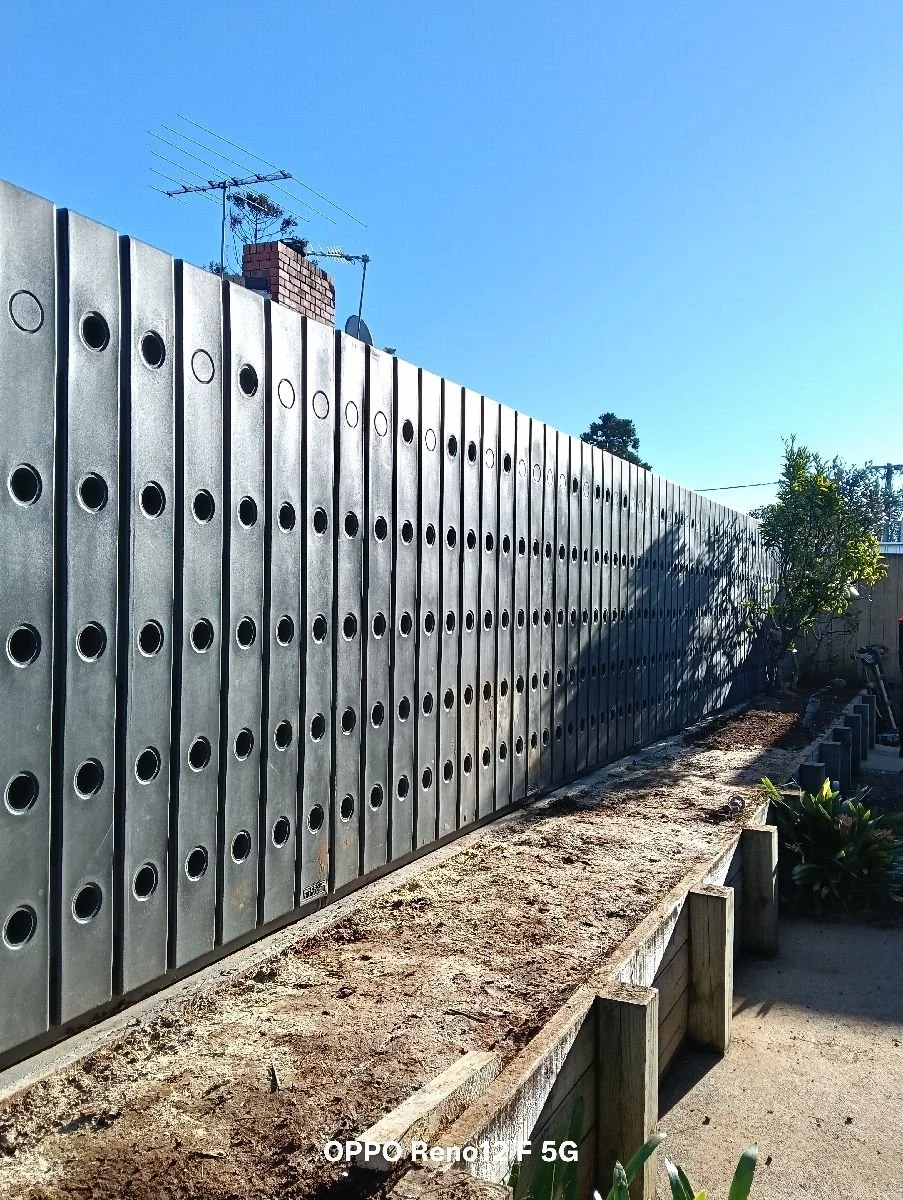
We’re proud to share this clever FenceTank installation in Forrest Hill, Auckland. Working with the homeowner, our team replaced approximately 14 metres of boundary fencing with seven interconnected FenceTanks, creating 7,000 litres of rainwater storage without taking up additional outdoor space.

Porous Lane Case Study: Victoria Sports and Recreation Hub, Gisborne
At the Victoria Sports & Recreation Hub in Tairāwhiti Gisborne, we worked alongside Civil Assist, Architects44 and Siteworx Civil Ltd to rethink how drainage could be integrated around the new sports courts. Together, the project team engineered a Porous Lane surface over the existing channel drains, creating a seamless, accessible finish that manages stormwater, removes exposed grates and diverts approximately 240 end-of-life tyres from landfill.

Can a Pavement Clean Stormwater?
Permeable pavements are widely recognised for reducing runoff, but research suggests their benefits may extend beneath the surface. Explore how Porous Lane’s pavement profile can help filter sediment, nutrients and heavy metals from stormwater, offering new possibilities for resilient, water-sensitive urban design.

Permeable Paving Is One Layer of the Solution
Permeable pavement helps NZ sites cut stormwater runoff and meet consent conditions. How Porous Lane works, where it fits, and what to plan for.
Case Study: Porous Lane St. Marys Park Carpark
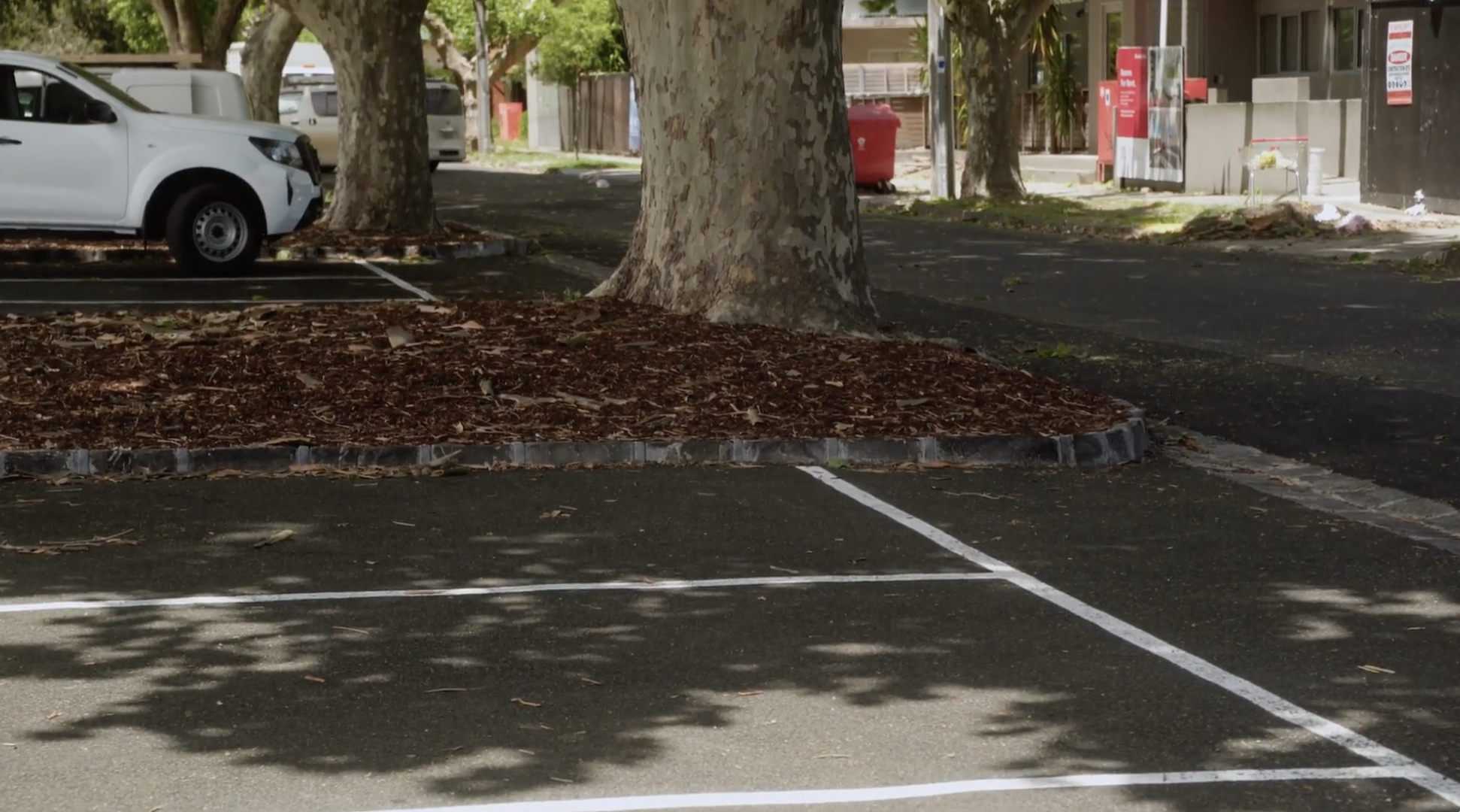
This St. Marys Park case study explores how Porous Lane permeable paving was installed across just 26% of a carpark to capture stormwater, reduce surface runoff and support passive irrigation for surrounding urban trees.
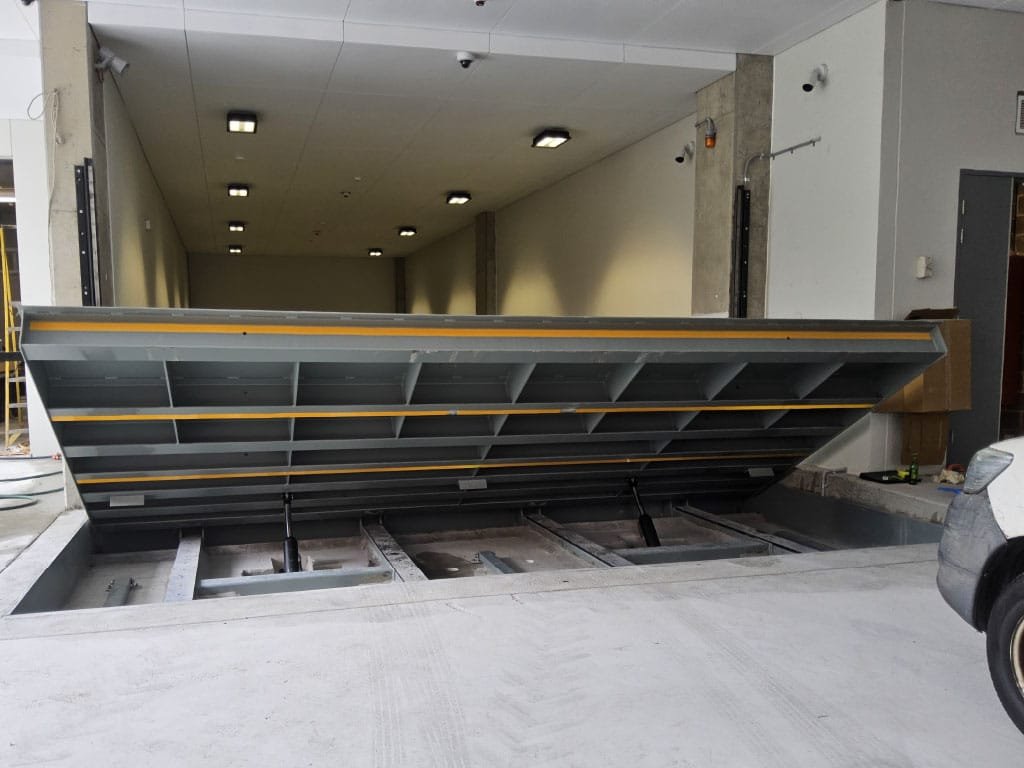
Flood Barrier Case Study - Hydraulically Actuated Tilting Flood Barriers
Explore the features of the FloodFree Hydraulic Tilting Flood Barrier, an automated flood defence solution engineered to protect buildings while prioritising safe, reliable deployment.

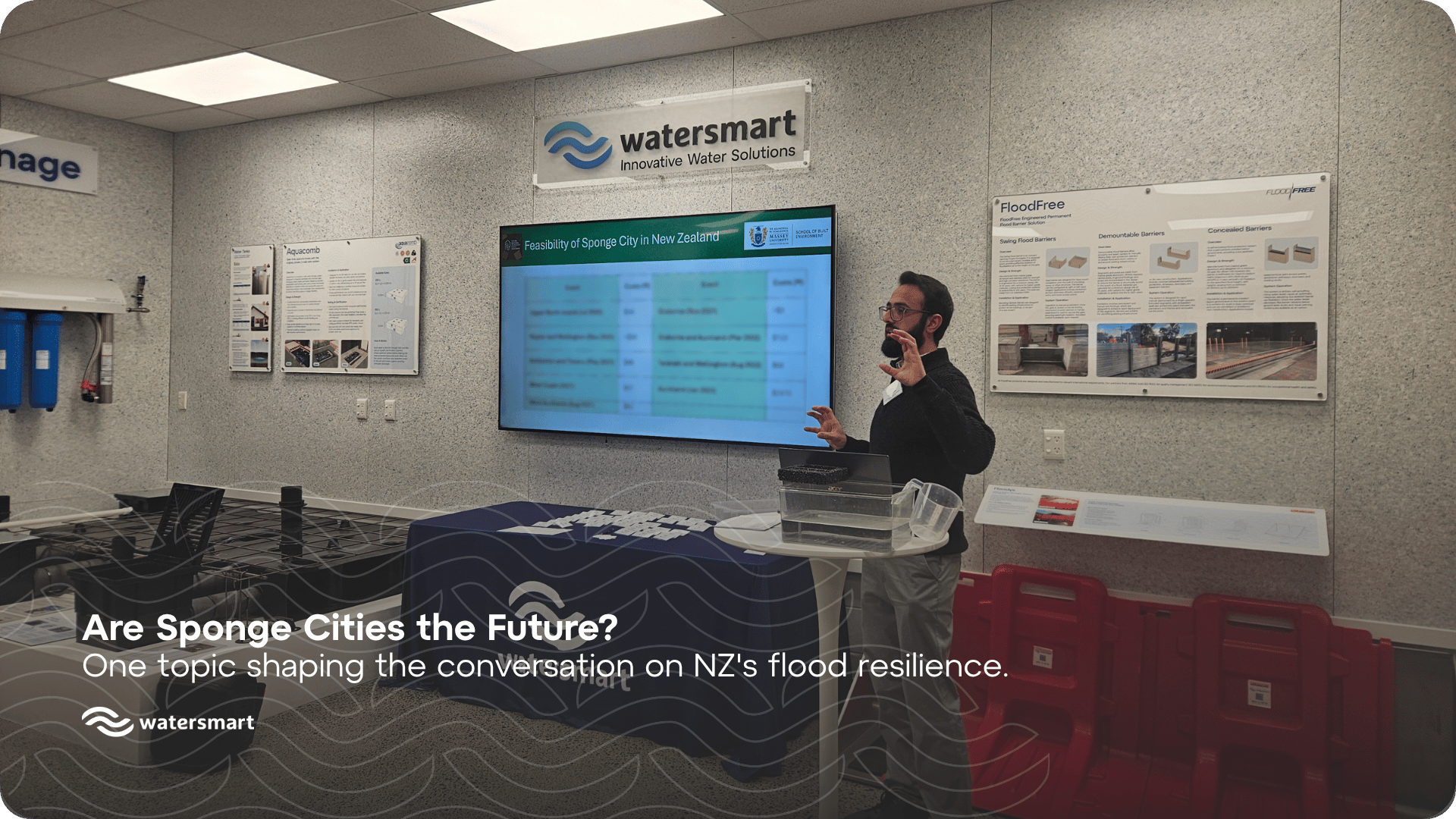
From Permeable Pavements to Sponge Cities: Why New Zealand Needs a New Stormwater Playbook
What if the biggest stormwater challenge facing New Zealand isn't flooding itself—but the way we think about managing it?
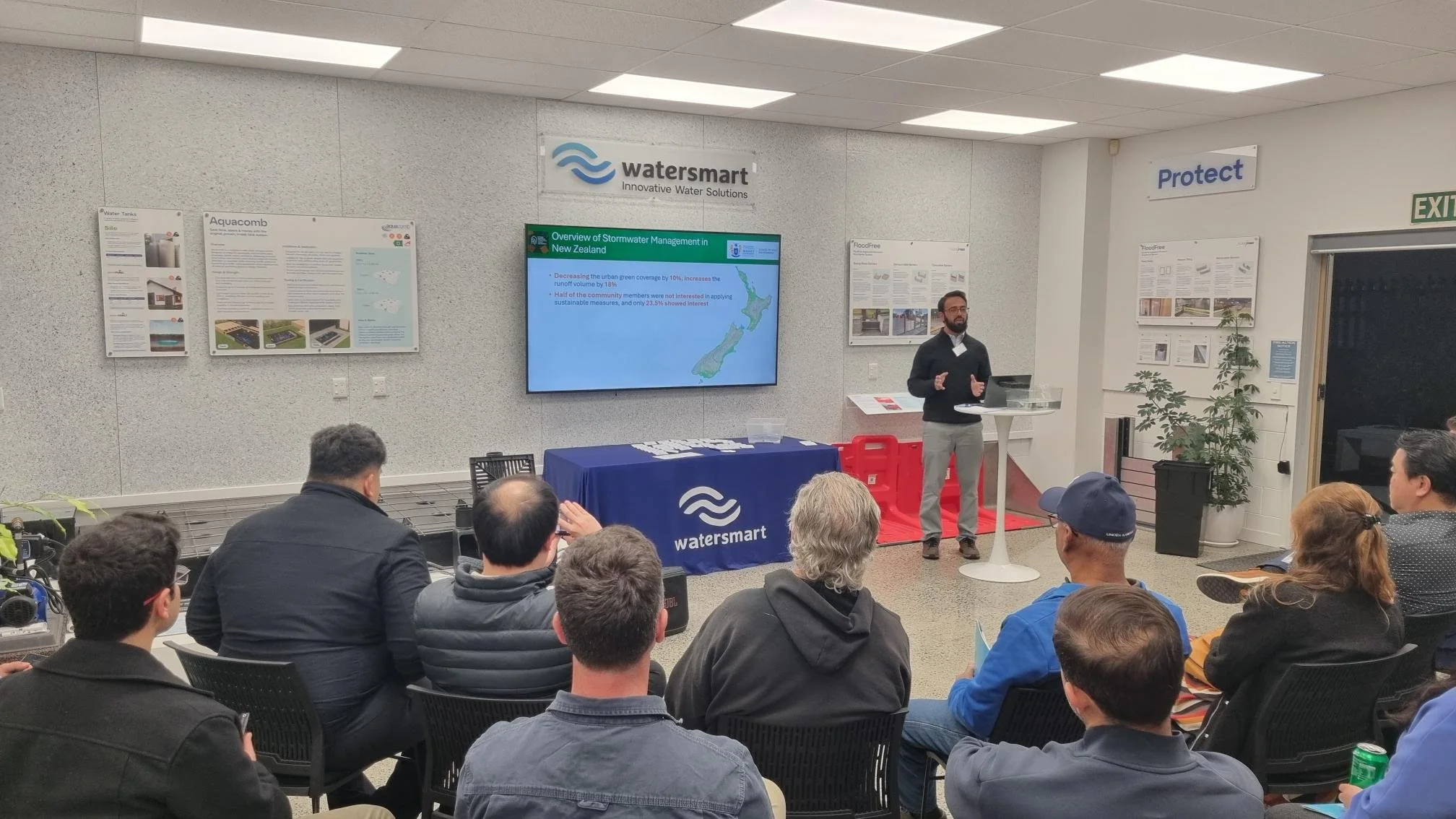
That was one of the key themes explored at a recent Engineering New Zealand event hosted at the WaterSmart Innovation Hub, where engineers, urban designers, planners, and infrastructure professionals came together to discuss the future of stormwater management in Aotearoa.
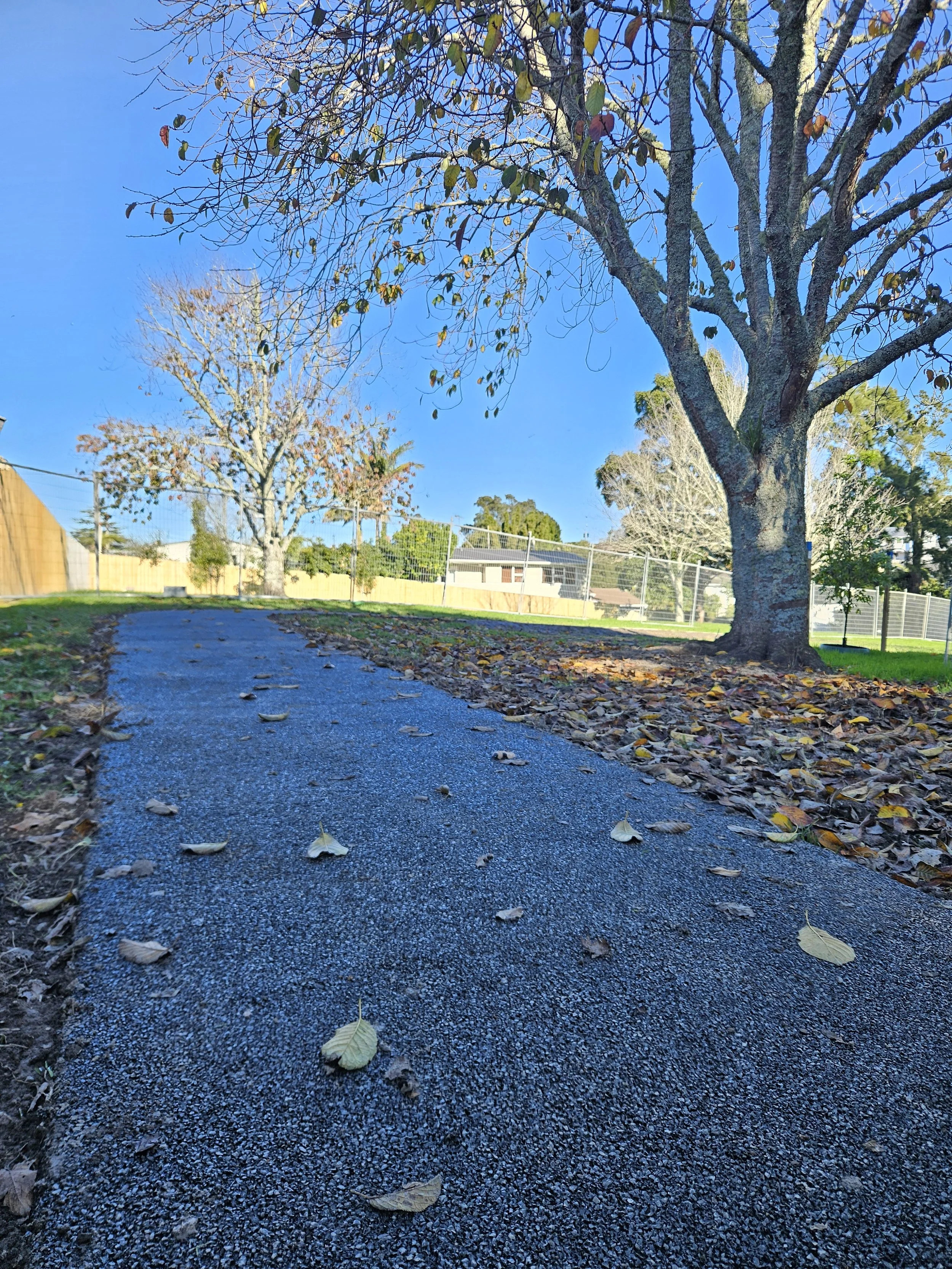
Porous Lane Case Study - Elliott Reserve, Auckland
Delivering a durable footpath while protecting mature trees
Elliott Reserve presented a common challenge for urban infrastructure projects: how to construct a new footpath through an area with established tree root systems without compromising either the asset or the trees.

The Future of Compliance Is Evidence, Not Inspection
Recent changes to New Zealand's plumbing and drainlaying legislation mark an important shift in how compliance is managed across the construction industry.
With self-certification expected to become available for a wider range of low-risk plumbing and drainlaying work, responsibility for verifying compliance is moving closer to the people who design, install and commission these systems.
Rethinking the Relationship Between Buildings and Water Infrastructure
Recent headlines around rising water charges and major infrastructure investment programmes have reignited discussion about the future of water in New Zealand. But beyond the cost of infrastructure lies a bigger question: what role can buildings themselves play in supporting the performance and resilience of our water networks? We explore how rainwater harvesting, water recycling, and on-site stormwater management are changing the way we think about the relationship between buildings and water infrastructure.
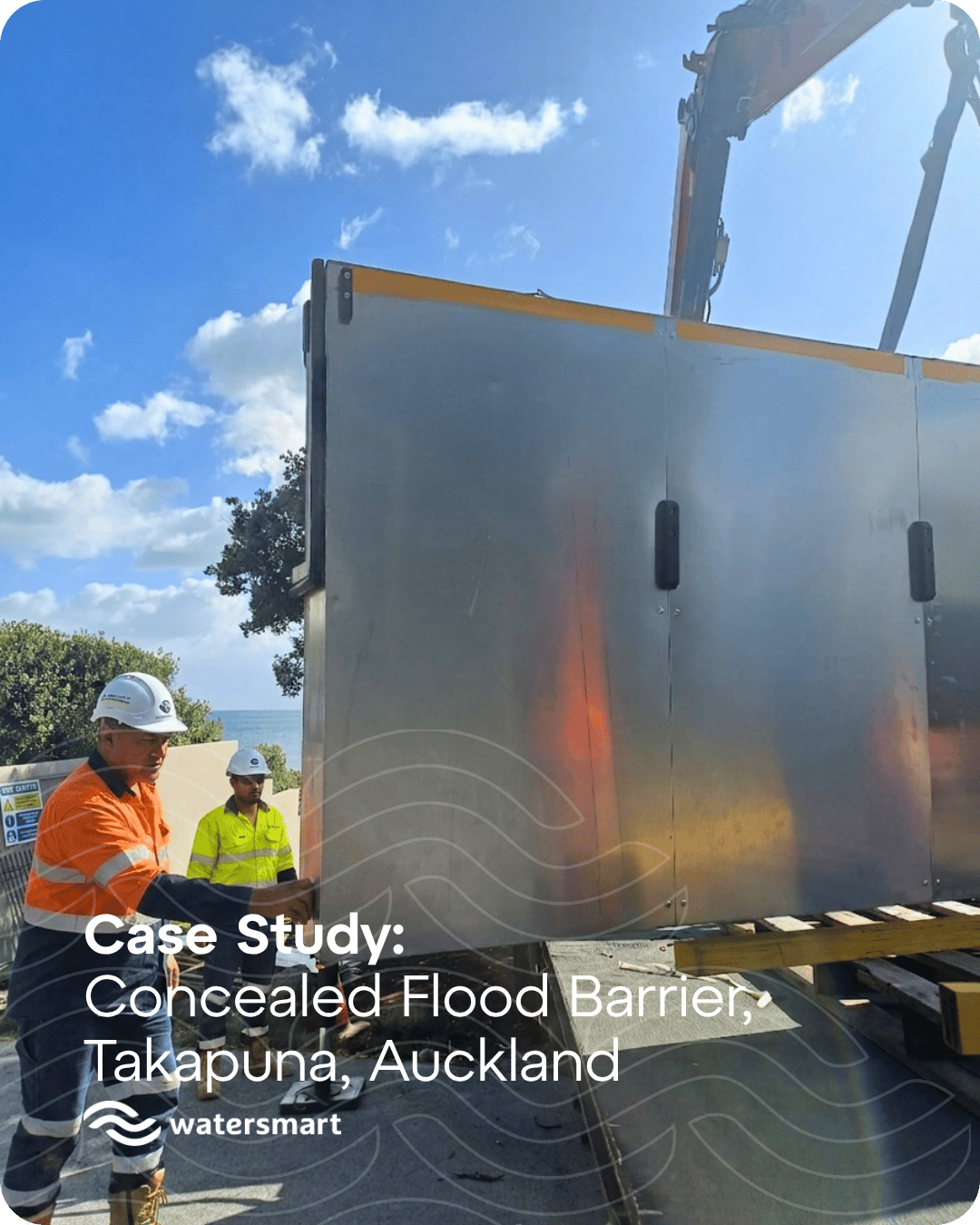
Concealed Flood Barrier Case Study - Takapuna, Auckland
Following previous flooding events that impacted a residential basement carpark in Takapuna, the homeowner engaged Frontline Projects to deliver a permanent flood mitigation solution capable of protecting the property from future stormwater ingress.
Watersmart was engaged to supply, install, commission, and test a FloodFree Concealed Flood Barrier system, providing automatic flood protection while maintaining the appearance and functionality of the existing driveway.

El Niño Is Almost Certain. Is Your Property Ready?
El Niño is almost certain. Scientists put the probability at 95%, with modelling suggesting this event could rival or exceed anything previously on record. For New Zealand, that means compounding pressure across drought, intense rainfall, and water quality, often in the same season. Here is what that means for the buildings and developments we are responsible for, and what good water management looks like in response.
Training that supports self-certification and best practice for in-slab installs
As New Zealand moves toward more stringent stormwater management, it is also entering a new era of building self-certification and proportionate liability. Upcoming changes will allow more qualified plumbers and drainlayers to self-certify their work, reducing the need for council sign-off at each stage. While this streamlines the process, it also shifts greater responsibility, and risk, onto the professionals delivering the work.
In this environment, the technical integrity of in-slab water detention systems has never been more critical.
Aquacomb and other in-slab systems are excellent for managing stormwater discreetly, but they only work as intended if a strict ‘test and verify’ protocol is followed during installation.
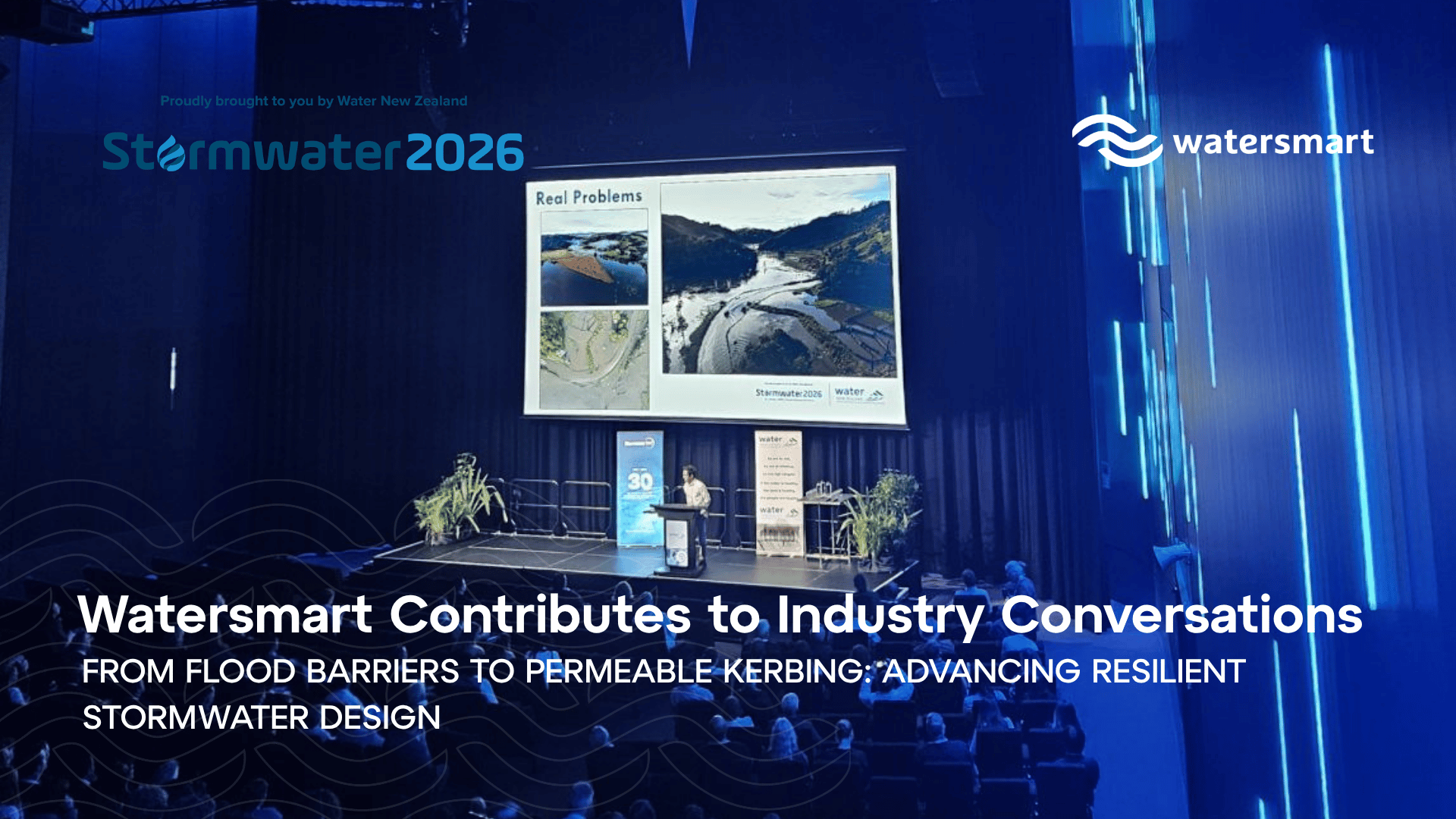
Watersmart Contributes to Industry Conversations at the 2026 Stormwater Conference
The 2026 Stormwater Conference brought together councils, engineers, consultants, contractors, and industry leaders from across New Zealand and Australia to tackle one of the sector’s biggest challenges: how we build more resilient communities in the face of increasing climate and infrastructure pressure.
This year, the Watersmart team was proud to contribute not only through our exhibition presence, but also through two technical presentations that explored practical, real-world approaches to stormwater resilience, flood mitigation, and distributed water management.
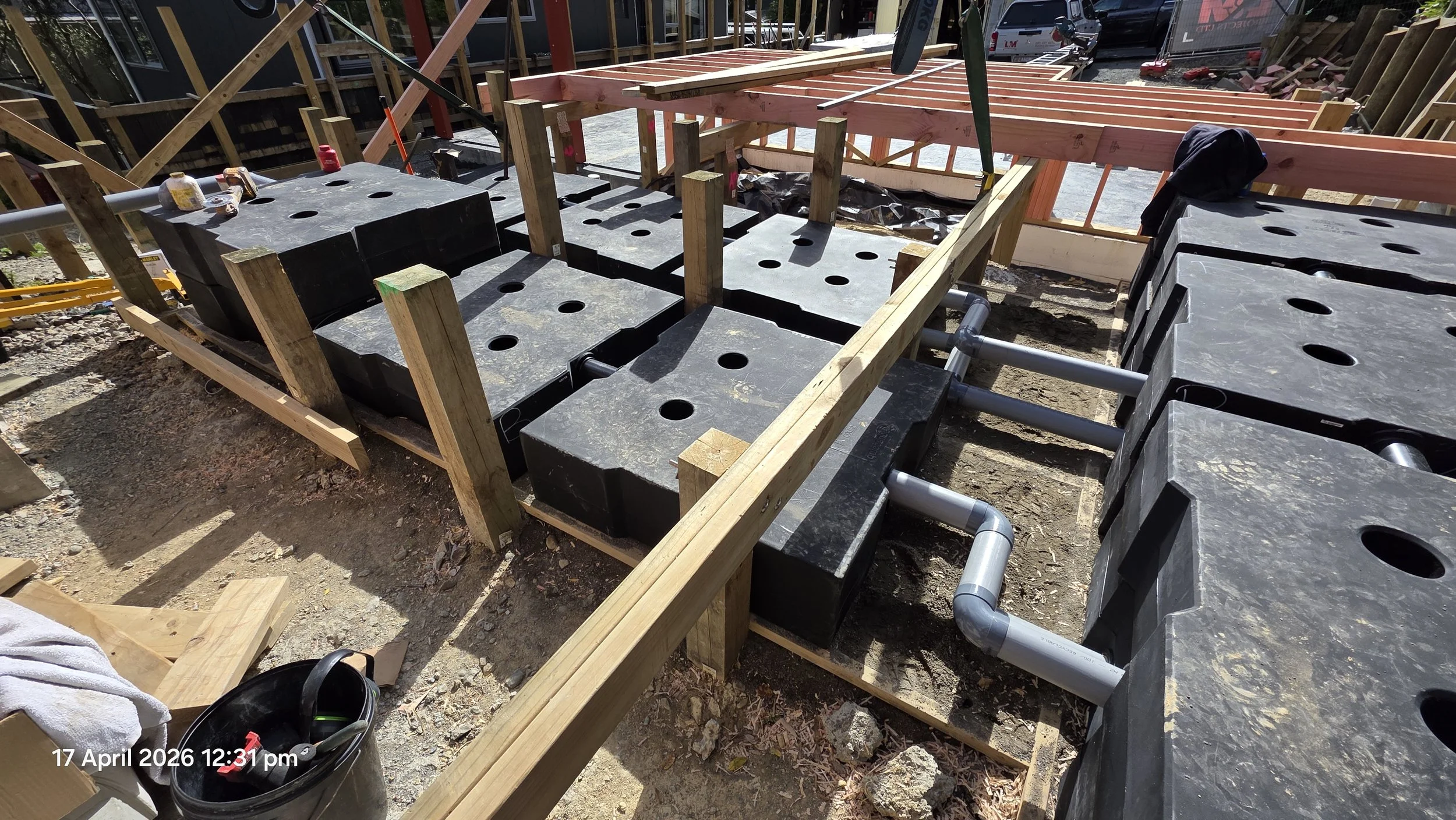
Aquacomb Case Study – Lower Hutt
Watersmart delivered a customised 5,250L Aquacomb detention system for a high-end residential build in Lower Hutt, overcoming tight under-house and under-deck space constraints. Working closely with Jason Brown Plumbing, the system was designed around structural piles and site-specific stormwater requirements to provide a discreet, compliant solution where conventional detention options were limited.

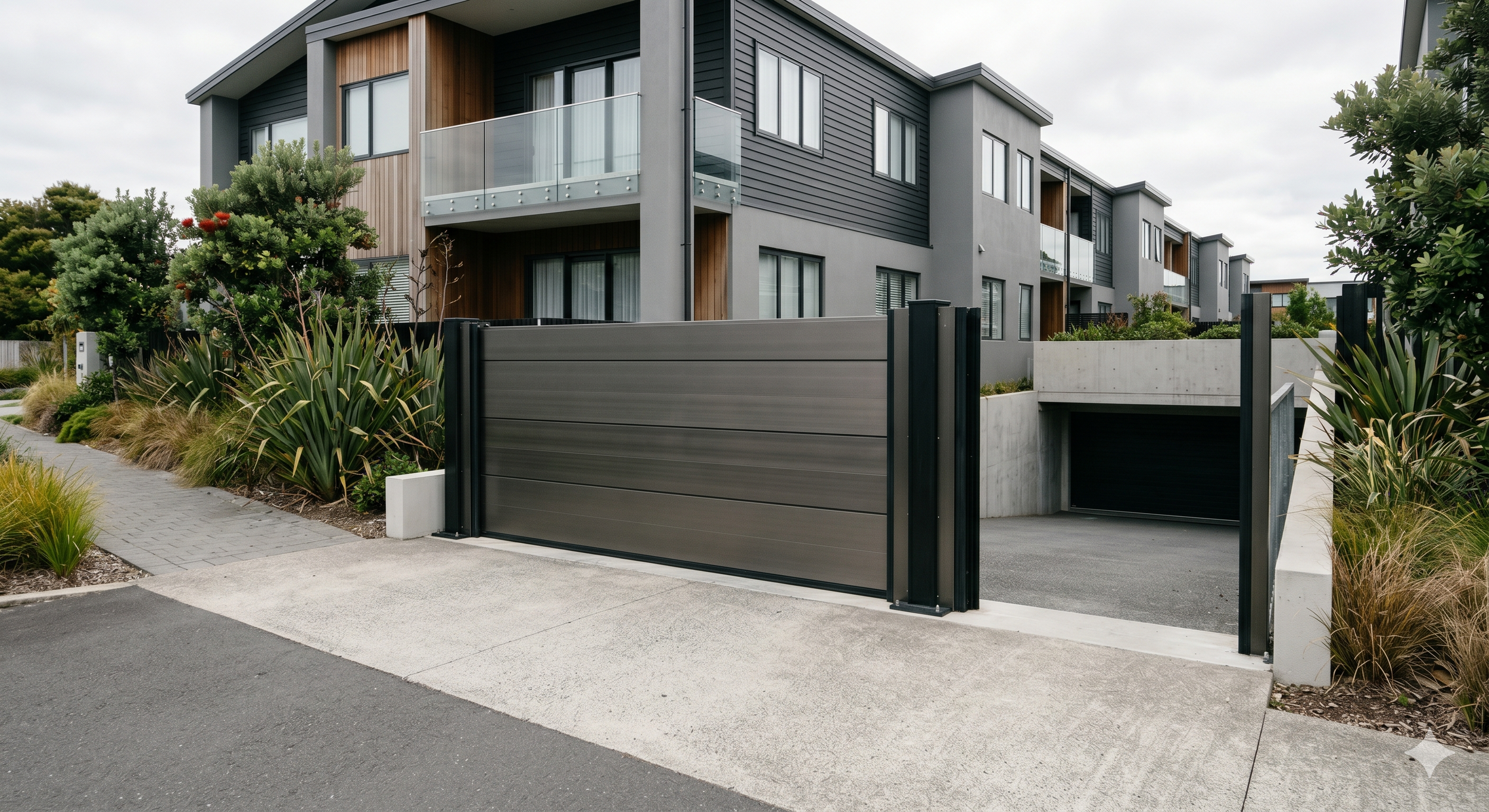
Flood Barriers NZ: How to Protect Your Property Before the Next Event
Protect your property before the next flood event. Watersmart supplies and installs engineered FloodFree flood barriers across New Zealand for residential, commercial, and council applications.Tell Us About Your Project
From conceptualising to constructing, we’re ready to design your architectural dream. We promise a client-centric approach that empowers ideas, eases concerns, and delivers quality craftsmanship we’ll all be proud of.