Watersmart Insights
Filter
Tag
- Aquacomb 24
- Education 12
- El Niño NZ 2
- Events 3
- FenceTank 14
- FloodFree 27
- Floody 20
- Flowgen 1
- Hydraloop 13
- Hydraloop NZ 1
- Leaf Diverter 2
- Porous Lane 25
- SMAF requirements 1
- SlimCity 7
- Sustainability 1
- WaterSAFE 2
- case study 14
- flood risk NZ 1
- greywater recycling NZ 1
- greywater recycling developments NZ 1
- off grid living NZ water 1
- off grid water NZ 1
- off grid water systems NZ 1
- permeable driveway consent 1
- permeable pavement NZ 1
- permeable paving NZ 1
- porous paving driveway 1
- rainwater self sufficiency NZ 2
- rainwater tanks NZ 2
- reduce mains water reliance 1
- reduce mains water use NZ 1
- stormwater runoff NZ 2
- sustainable development water NZ 1
- water independence NZ 1
- water reuse commercial NZ 1

El Niño in New Zealand: Why Two Regions Face Opposite Water Problems
El Niño does not make New Zealand drier everywhere. It moves the rain, leaving the north and east short while the west takes heavier downpours.
Rainwater Tanks for an El Niño Summer: Storing Water on a Tight NZ Site
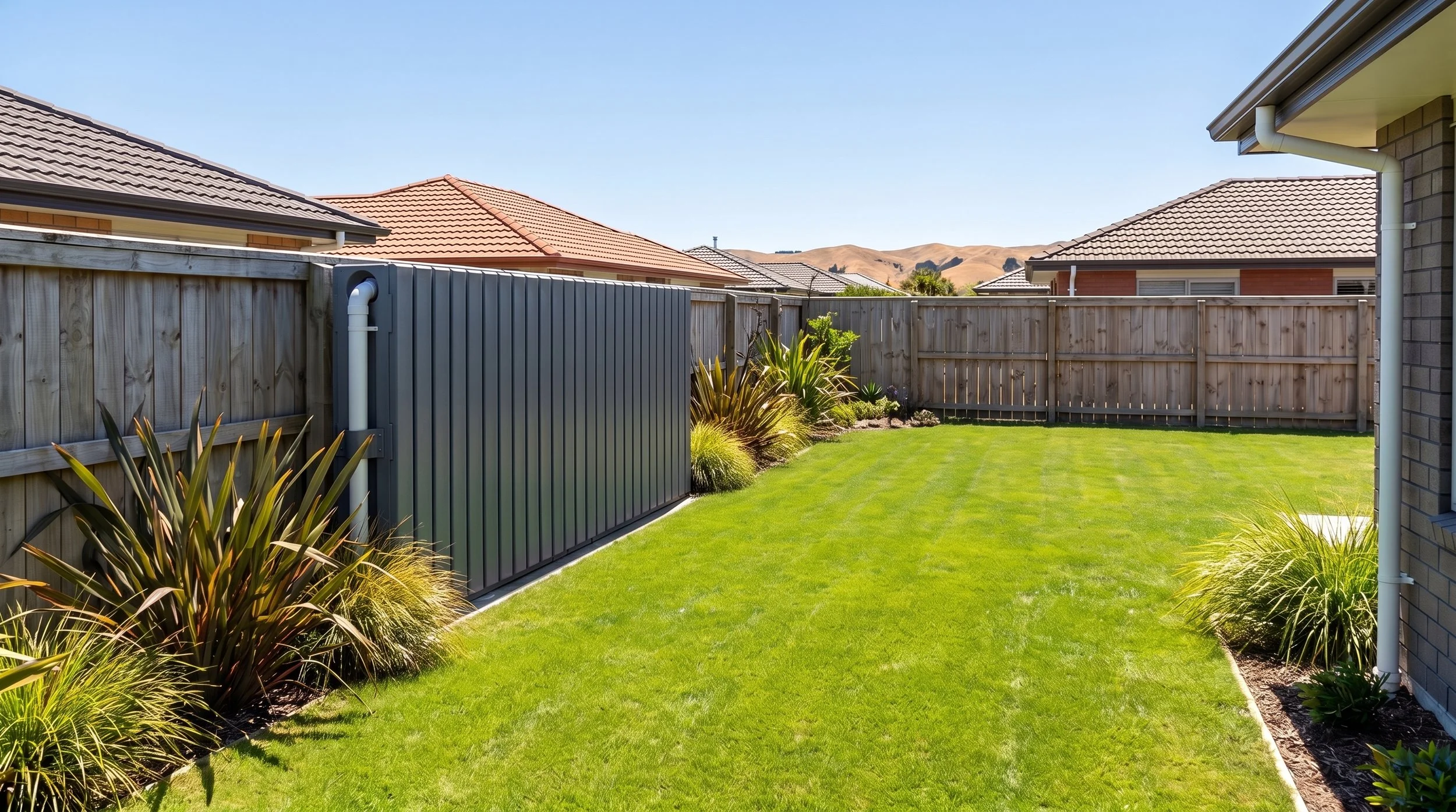
NIWA expects El Niño to peak this summer, bringing drier conditions to the north and east. Slimline rainwater tanks store water on sections with no room for a round tank.

How to reduce heat island effects caused by El Niño
During hot, dry El Niño summers, traditional asphalt and concrete absorb heat while preventing rainwater from reaching the soil and surrounding vegetation.
Permeable surfaces such as Porous Lane allow rainfall to filter into the ground, supporting tree roots, reducing surface runoff and helping retain moisture beneath urban areas. This can strengthen natural cooling and reduce pressure on stormwater networks when sudden summer downpours arrive.
Discover how permeable paving can help create cooler, greener and more climate-resilient urban spaces.

Why Watersmart was recognised as a Market Mover
Watersmart has been named a finalist in the Market Mover category of the 2026 Sustainable Business Awards.
For us, moving a market means more than introducing new technology. It means helping councils, engineers, developers and communities gain the confidence to adopt better approaches to water management.
Read more about the work and thinking behind our submission, and our goal to help reshape how Aotearoa manages water.

Infrastructure Before Intensification: What Auckland Must Get Right to Enable Growth
Auckland has ambitious plans for housing, intensification and economic growth. But zoning land for development is only part of the equation. The supporting transport, water and wider infrastructure must be planned and delivered at the right time.
We’ve shared five key insights from the Property Council New Zealand’s Enabling Auckland: Infrastructure for Growth event, including what they could mean for the future of water management and resilient urban growth.

Re-cementing our commitment to sustainability through Toitū accreditation
We are pleased to share that we have extended our Toitū certification, reinforcing our dedication to rigorous environmental accountability, reduced operational emissions, and sustainable business practices.
This accreditation validates our commitment to resource conservation and climate resilience - extending from our product development all the way to the end-of-life recycling.
Learn more about Toitū and our commitment to sustainability
Flood Barrier Case Study - Hydraulically Actuated Tilting Flood Barriers
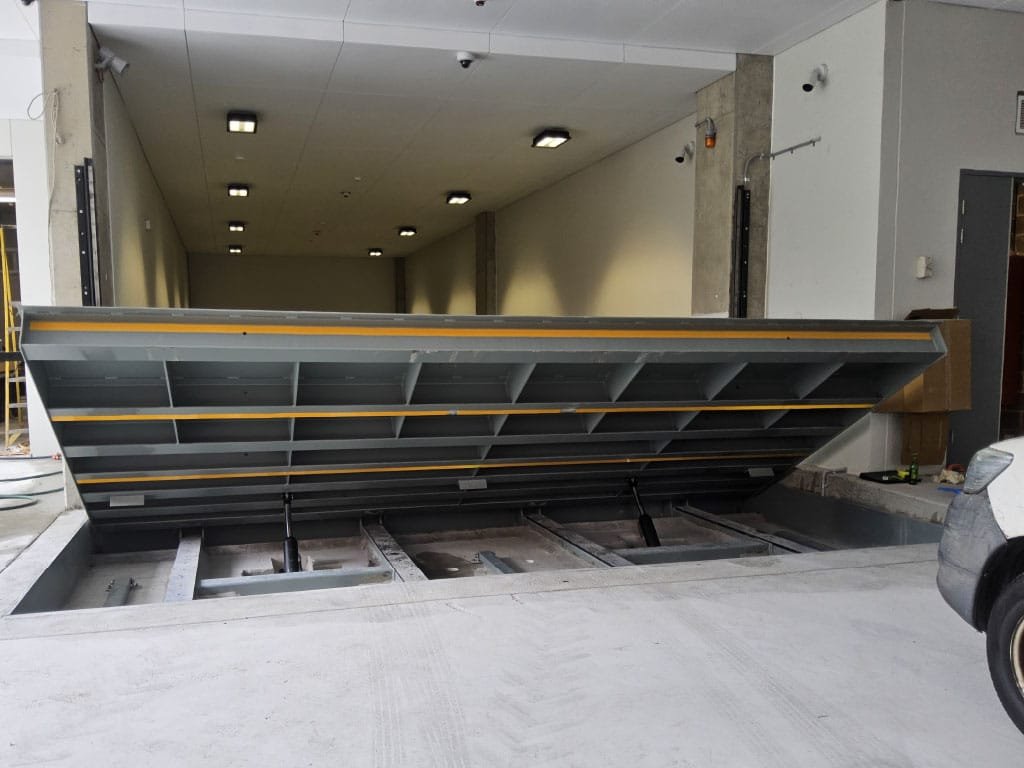
Explore the features of the FloodFree Hydraulic Tilting Flood Barrier, an automated flood defence solution engineered to protect buildings while prioritising safe, reliable deployment.
Greywater recycling pilot unlocks greater housing yield in Hamilton
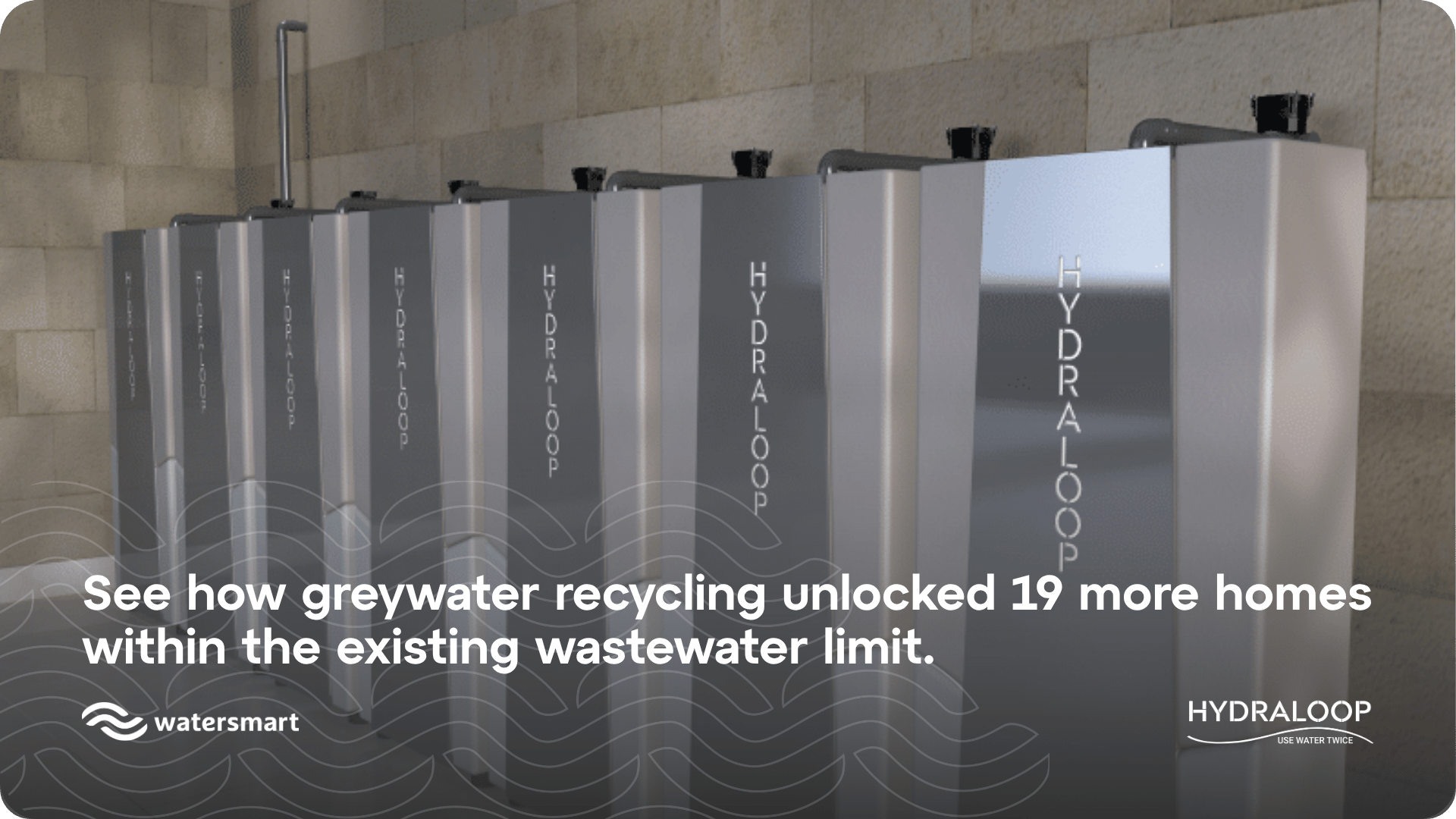
A centralised Hydraloop greywater recycling system helped a Hamilton development increase its proposed yield from 33 to 52 dwellings while remaining below the site’s existing wastewater discharge limit.
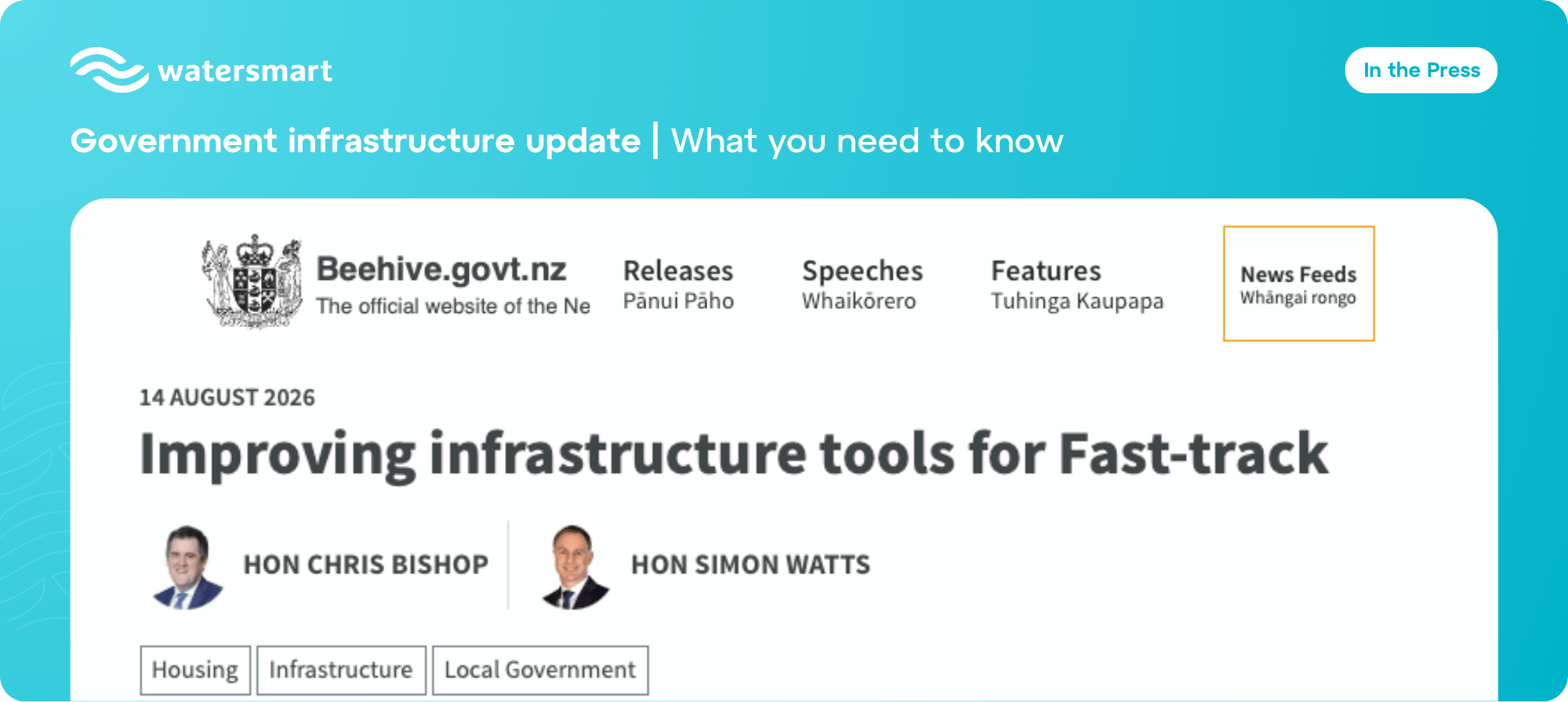
Fast-track Development Still Needs Infrastructure Certainty
Fast-track approval may help a development move through consenting sooner, but it does not resolve how the infrastructure needed to service it will be funded or delivered. We look at the Government’s proposed changes and what councils and project teams should establish early to create greater certainty.
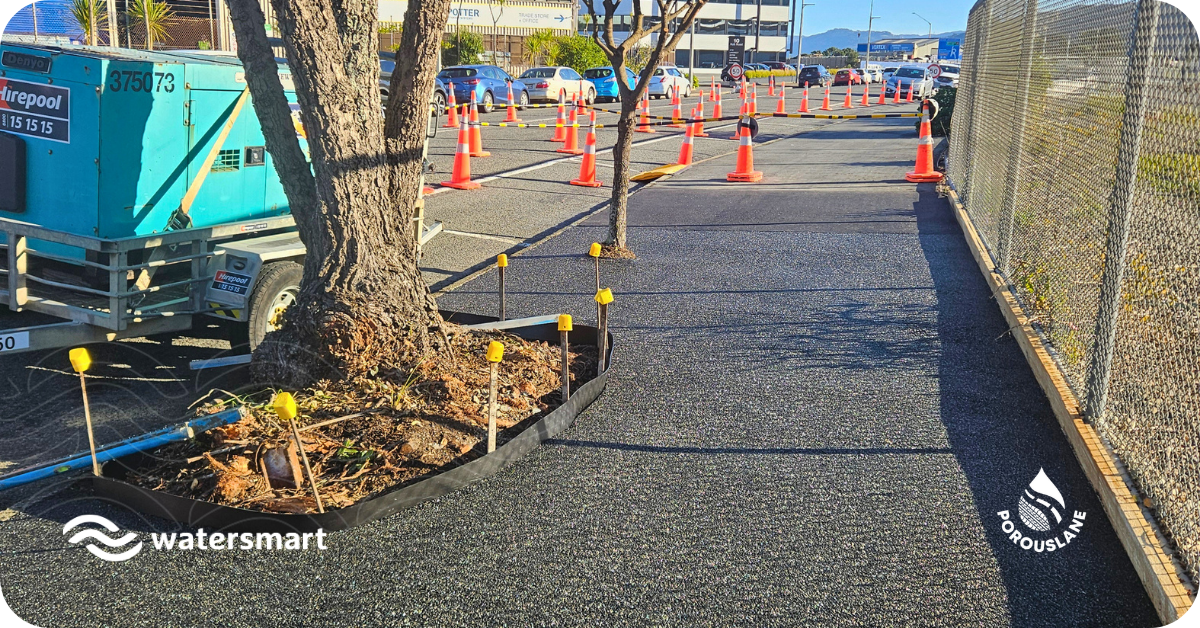
Porous Lane Case Study: Hutt Road, Lower Hutt
Hutt City Council is using Porous Lane to replace damaged asphalt around established pōhutukawa on Hutt Road, creating a permeable surface that better supports tree roots while maintaining a durable, accessible footpath.
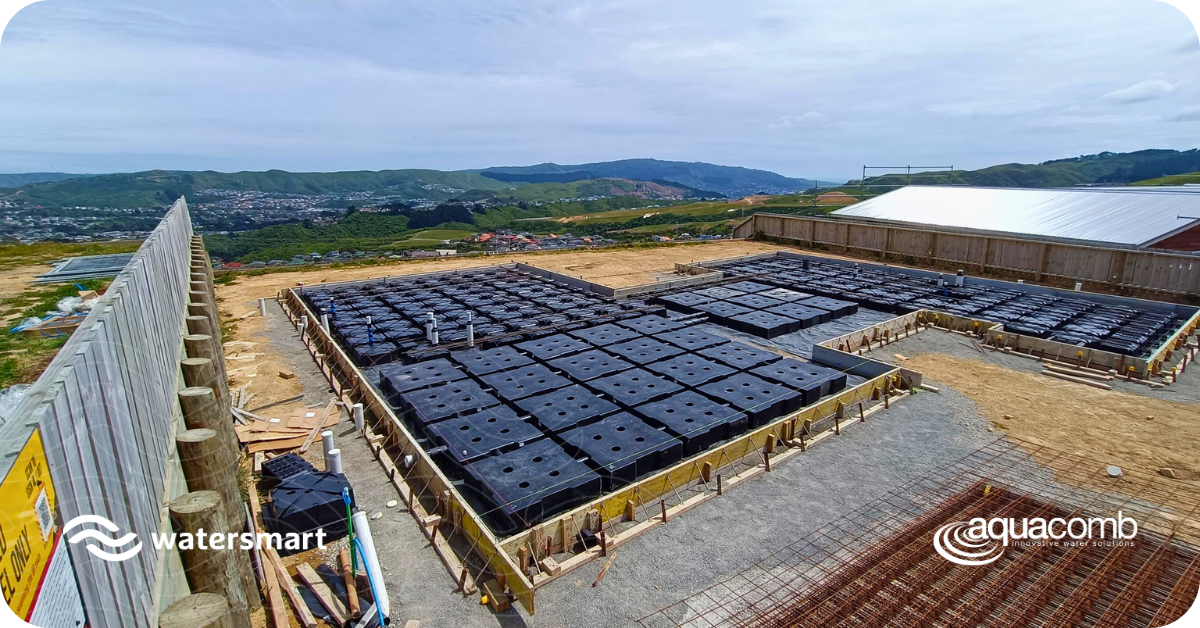
Aquacomb Case Study - Cottonwood Lane, Woodridge
Aquacomb provided 7,250 litres of in-slab stormwater detention for this Woodridge home, protecting its valley views while avoiding the space, cost and disruption of a conventional tank.
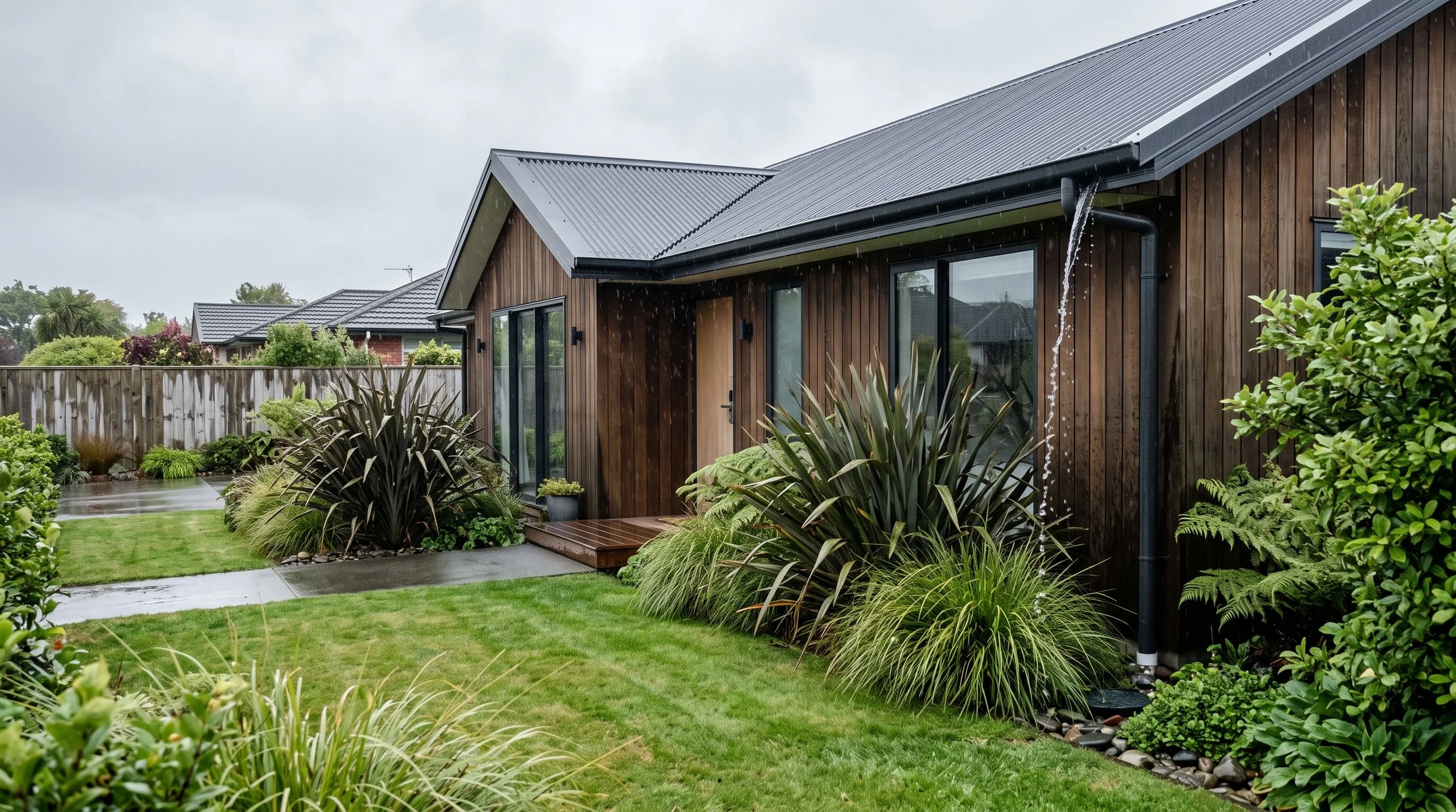
Off-Grid Water in NZ: What It Takes to Rely Less on the Mains
Off-grid water in NZ, explained: how capture, storage, reuse, and pumps work together to cut mains reliance, from lifestyle blocks to suburban homes.
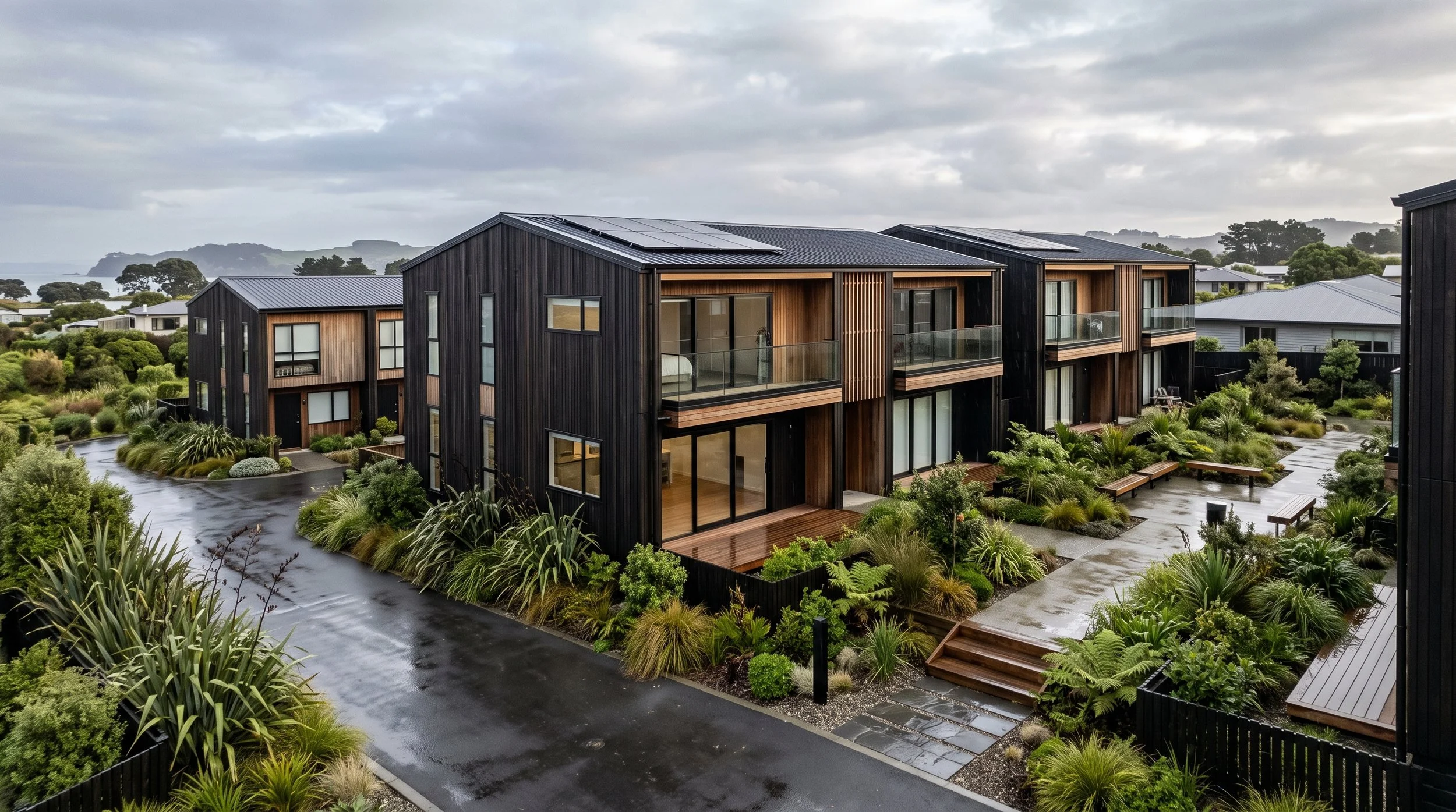
Greywater Recycling for NZ Developments: Designing In Hydraloop
Water is one of the running costs a development carries for its whole life, and most of it is used once and sent down the drain. Greywater recycling changes that. It captures the water from showers, baths, and laundry, cleans it on-site, and puts it back to work for toilets, laundry, and irrigation. For a New Zealand development, designing it at the build stage can recycle up to 45% of a building's water, lowering running costs and strengthening the project's sustainability position.
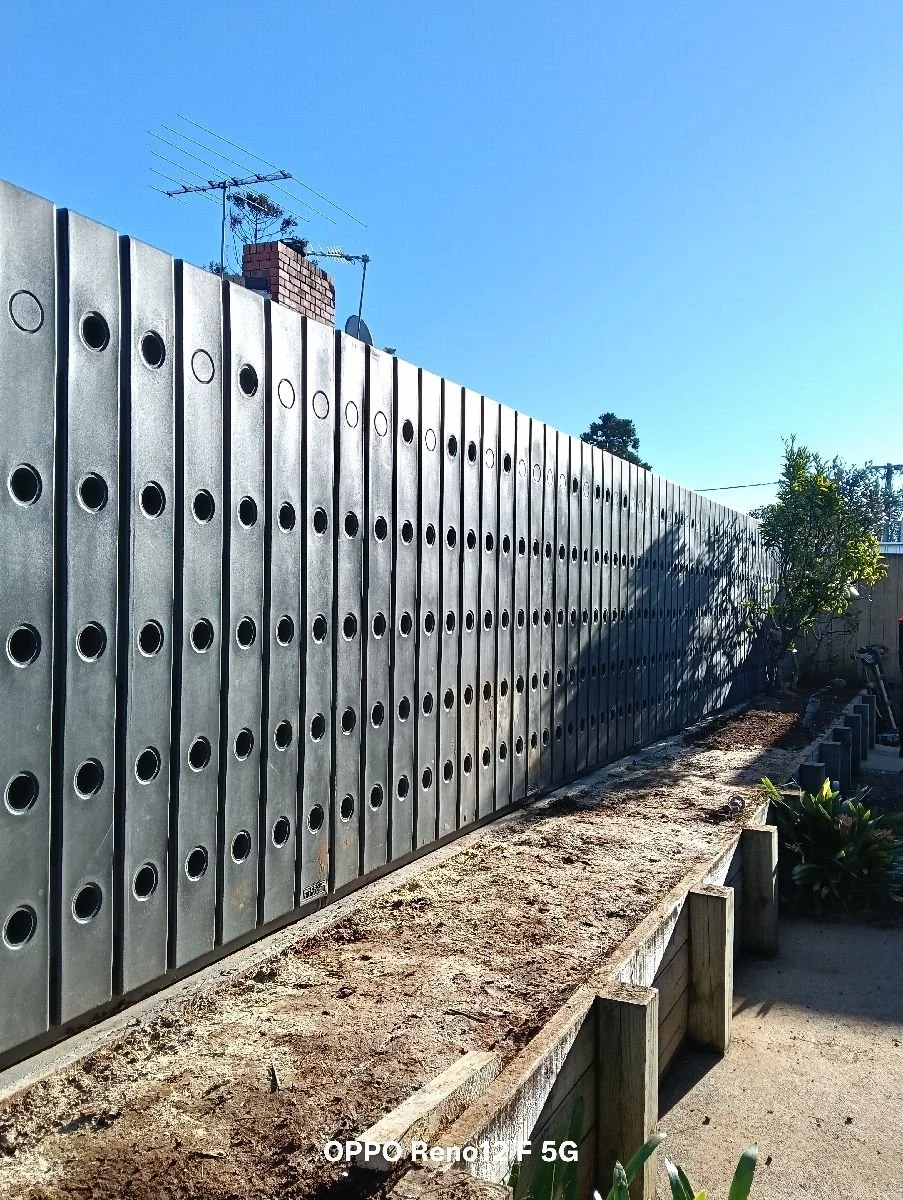
FenceTank Case Study: Forrest Hill, Auckland
We’re proud to share this clever FenceTank installation in Forrest Hill, Auckland. Working with the homeowner, our team replaced approximately 14 metres of boundary fencing with seven interconnected FenceTanks, creating 7,000 litres of rainwater storage without taking up additional outdoor space.
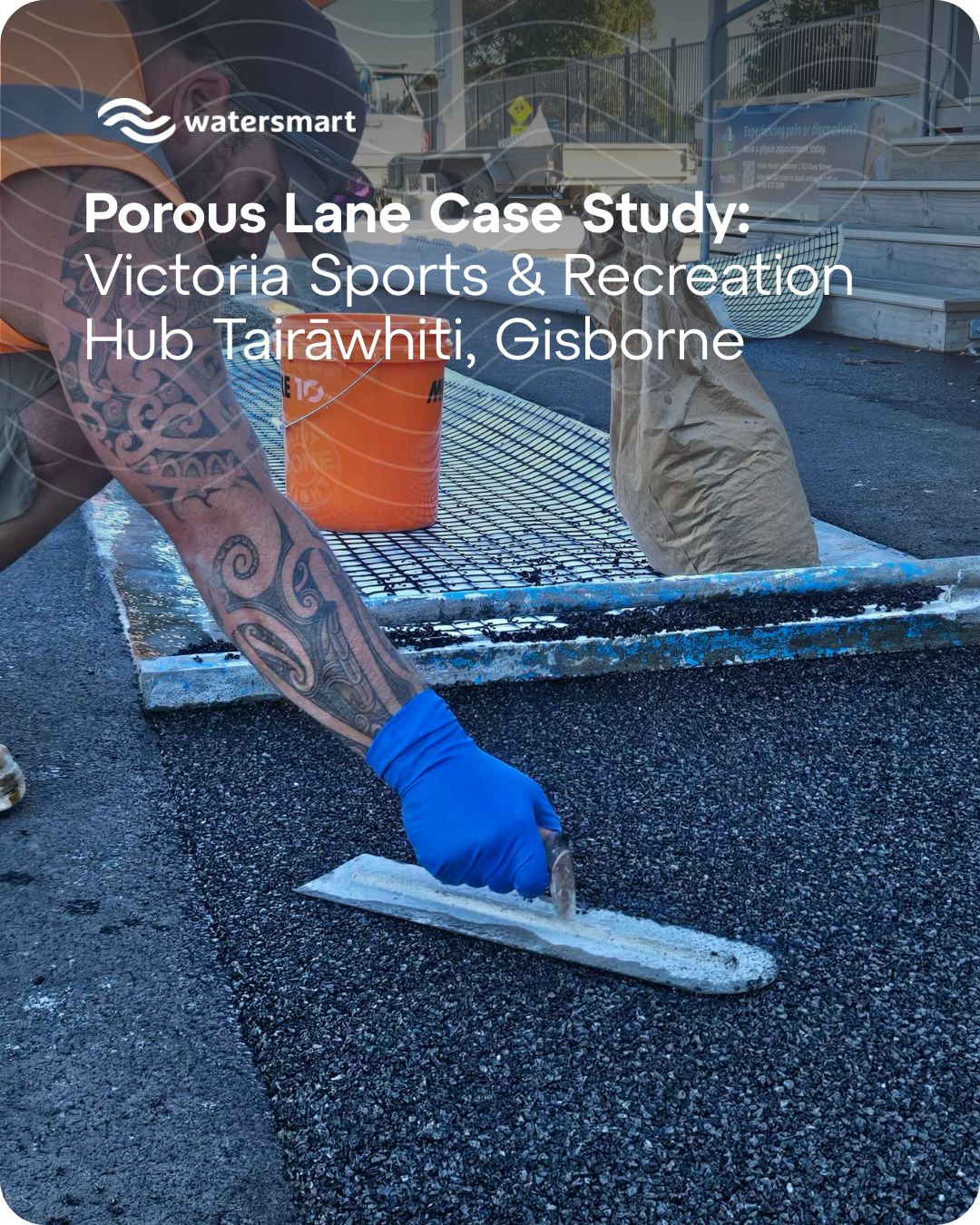
Porous Lane Case Study: Victoria Sports and Recreation Hub, Gisborne
At the Victoria Sports & Recreation Hub in Tairāwhiti Gisborne, we worked alongside Civil Assist, Architects44 and Siteworx Civil Ltd to rethink how drainage could be integrated around the new sports courts. Together, the project team engineered a Porous Lane surface over the existing channel drains, creating a seamless, accessible finish that manages stormwater, removes exposed grates and diverts approximately 240 end-of-life tyres from landfill.

Can a Pavement Clean Stormwater?
Permeable pavements are widely recognised for reducing runoff, but research suggests their benefits may extend beneath the surface. Explore how Porous Lane’s pavement profile can help filter sediment, nutrients and heavy metals from stormwater, offering new possibilities for resilient, water-sensitive urban design.
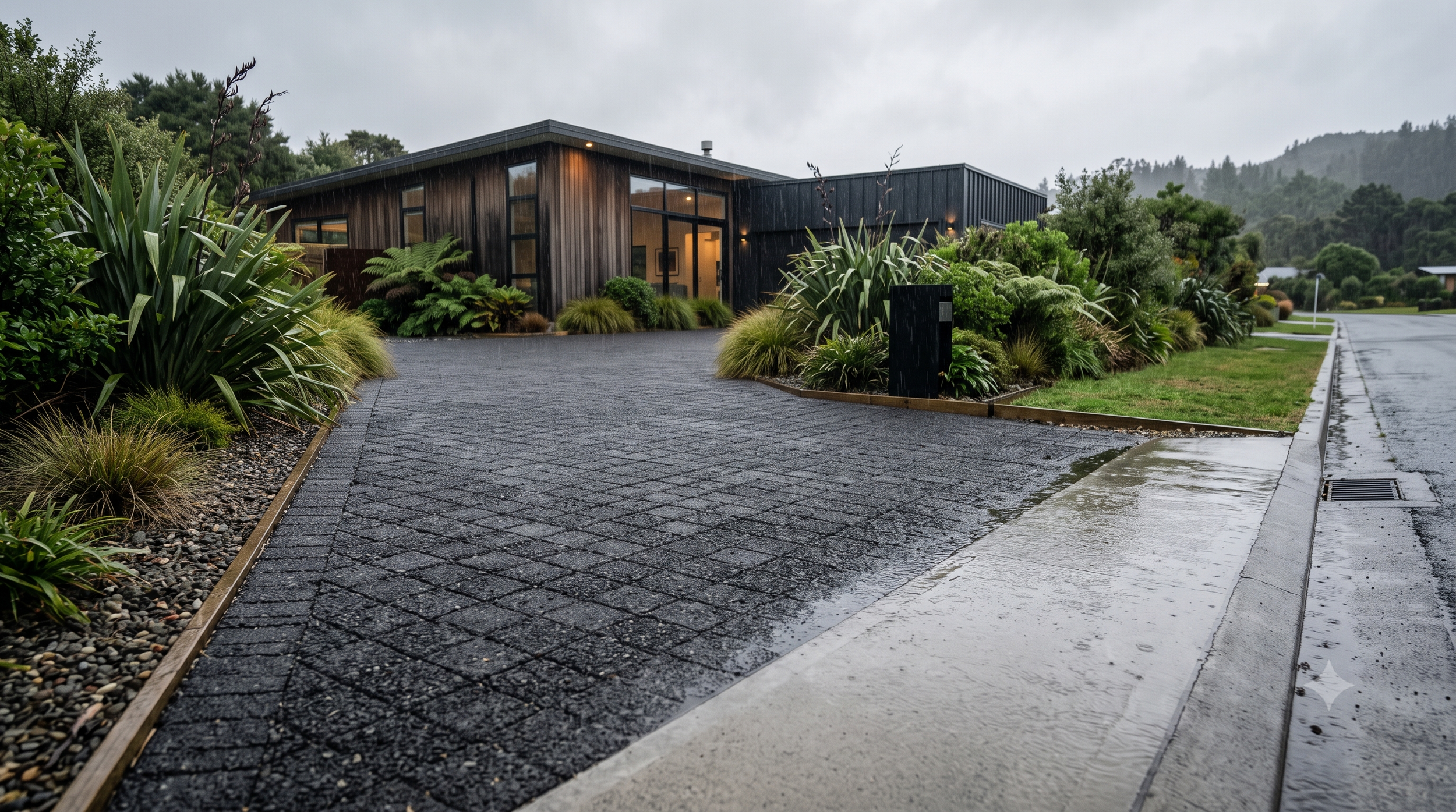
Permeable Paving Is One Layer of the Solution
Permeable pavement helps NZ sites cut stormwater runoff and meet consent conditions. How Porous Lane works, where it fits, and what to plan for.
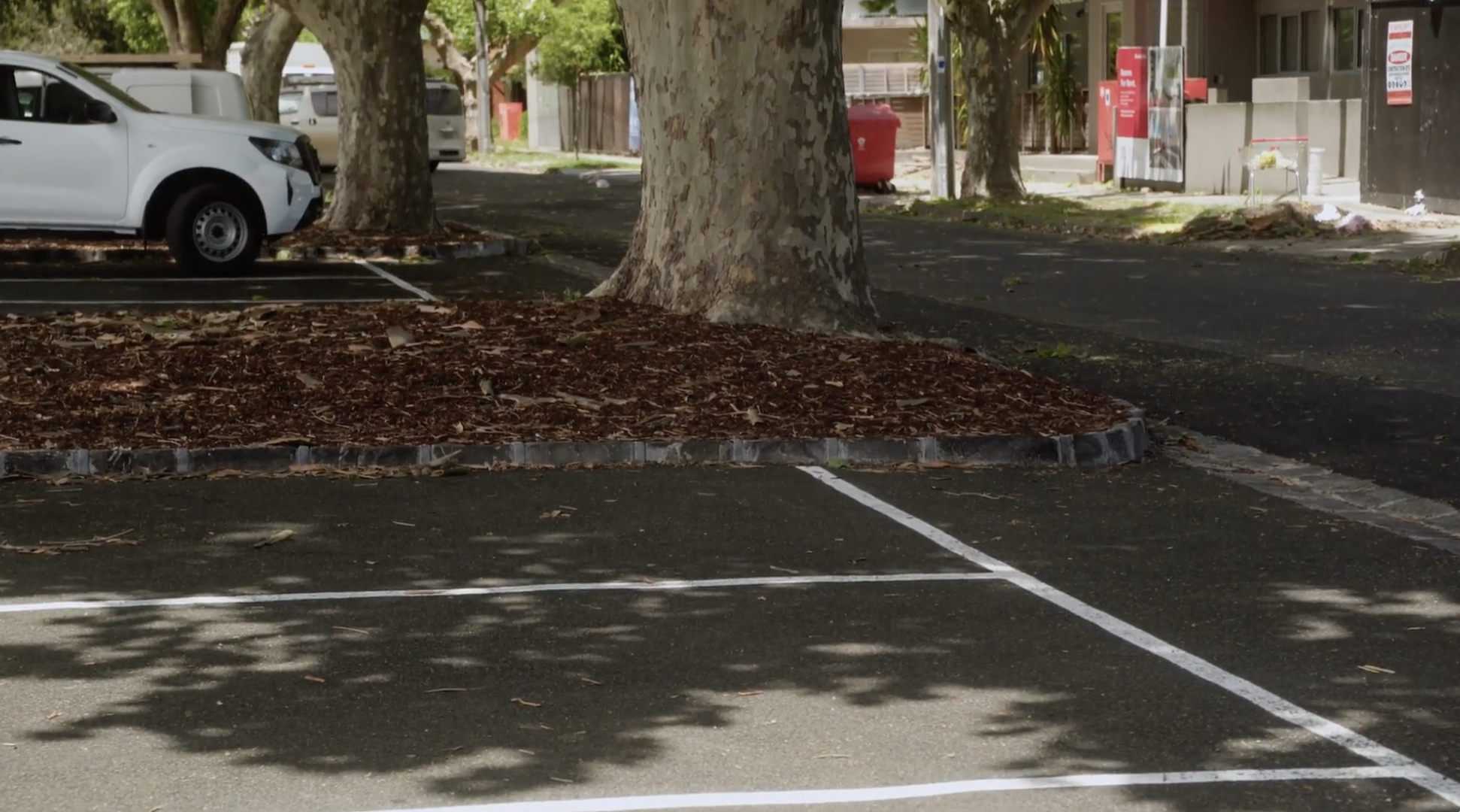
Case Study: Porous Lane St. Marys Park Carpark
This St. Marys Park case study explores how Porous Lane permeable paving was installed across just 26% of a carpark to capture stormwater, reduce surface runoff and support passive irrigation for surrounding urban trees.

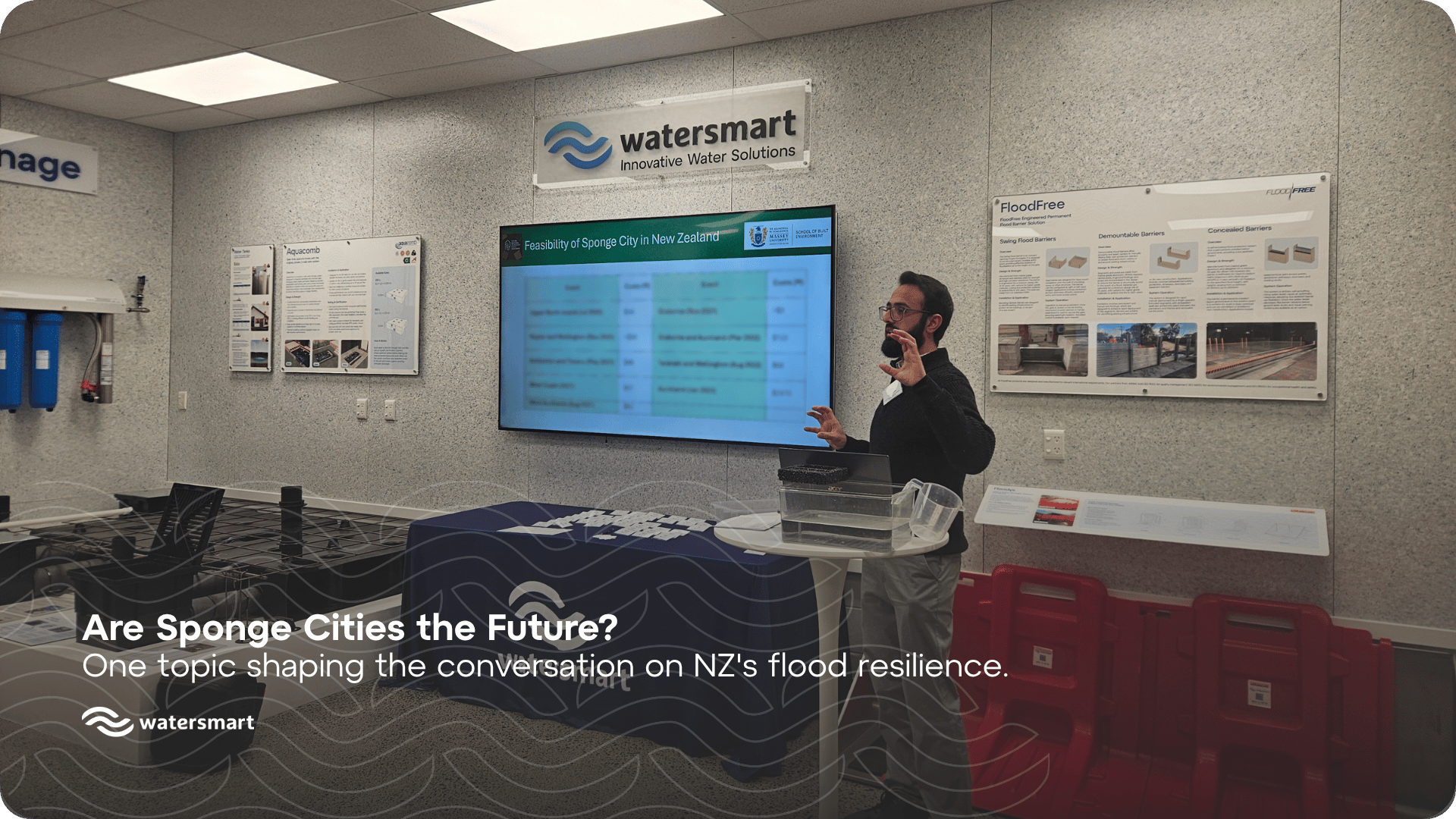
From Permeable Pavements to Sponge Cities: Why New Zealand Needs a New Stormwater Playbook
What if the biggest stormwater challenge facing New Zealand isn't flooding itself—but the way we think about managing it?
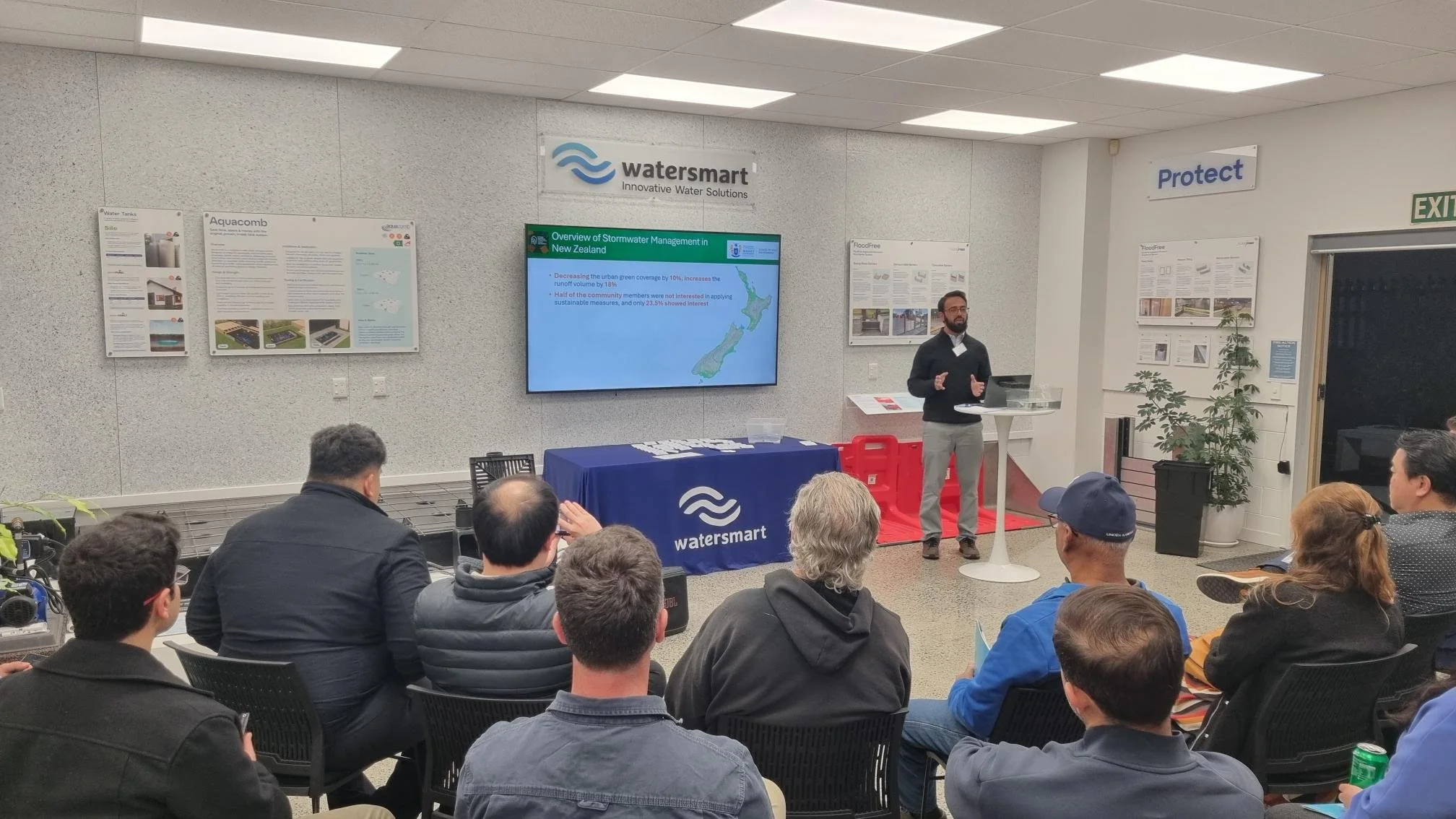
That was one of the key themes explored at a recent Engineering New Zealand event hosted at the WaterSmart Innovation Hub, where engineers, urban designers, planners, and infrastructure professionals came together to discuss the future of stormwater management in Aotearoa.
Tell Us About Your Project
From conceptualising to constructing, we’re ready to design your architectural dream. We promise a client-centric approach that empowers ideas, eases concerns, and delivers quality craftsmanship we’ll all be proud of.